Mariah Charlton (‘20) Diverts Waste and Reduces Emissions Through Career in Sustainable Real Estate
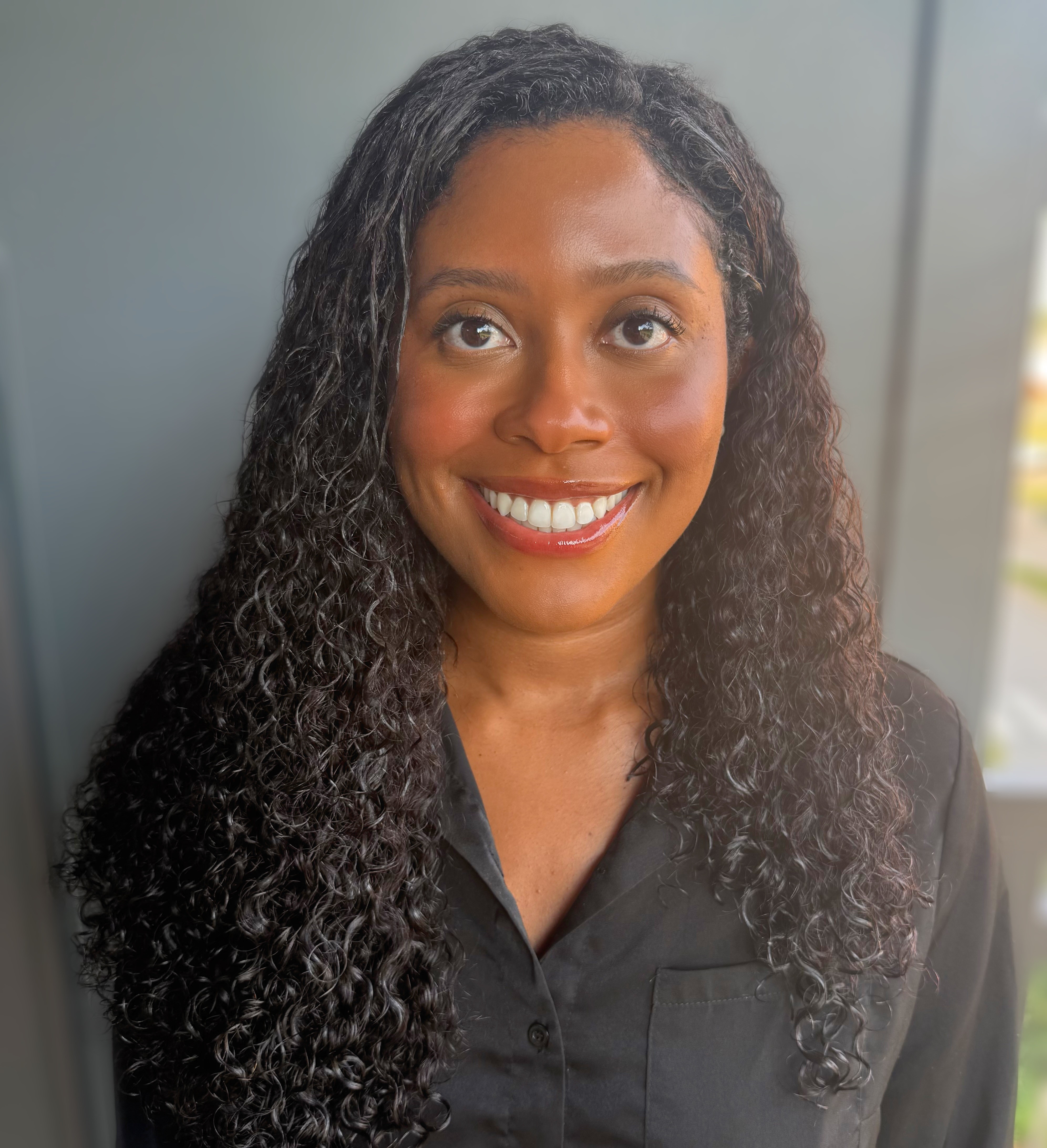
Meet Mariah
This month's Sustainability Champion is Mariah Charlton, a 2020 graduate of the University of Richmond who currently works as a Sustainable Buildings Project Manager at JLL (Jones Lang LaSalle) in Columbia, South Carolina. In our conversation, Mariah shared how she got her start in the growing field of sustainable real estate, what her work looks like today, and her advice for students interested in sustainability careers.
Can you tell us about your role as Sustainability Project Manager?
As a project manager for sustainable buildings, Mariah is part of an overall design-and-construction project team. The team manages architects, engineers, general contractors, the budget, and the schedule of building projects. Her role is to consult with the architects and engineers on sustainable principles to incorporate into the design and construction. An example of this may include consulting on building materials, plumbing, HVAC, and electrical design to ensure everything is as sustainable and efficient as possible. Then, she works with the general contractors to ensure they build the sustainable design as planned. An important part of her job is overseeing the implementation of sustainable certifications, such as LEED, WELL, and Fitwel. Depending on client goals, she will manage the project in accordance with the sustainability framework of aligned certification(s).
What first sparked your interest in sustainability and real estate?
Mariah’s introduction to sustainable real estate began during her time at the University of Richmond as a Bonner Scholar. Through the program, she completed internships with a variety of nonprofit organizations, including the U.S. Green Building Council (USGBC), the organization behind LEED and other green building certification systems. At the time, Mariah was considering a career in marketing, so she joined USGBC’s market development team in Washington, D.C., for a three-month summer internship. The experience proved transformative. “It was super fun and I really, really enjoyed it,” she recalled. Before the internship, Mariah said she “didn’t know that industry existed,” but the experience introduced her to the intersection of sustainability and real estate and sparked an interest that would shape her career.
After graduating from Richmond in 2020 during the uncertainty of the pandemic job market, Mariah reconnected with her former manager at USGBC and was invited back to join the team as an associate focused on marketing research. She then went on to pursue a master’s degree in real estate development at Georgetown University.
“It all kind of came together to create a career of working in sustainability and real estate together,” Mariah said. Today, Mariah works in Columbia, South Carolina, for JLL, a commercial real estate services firm that also provides sustainability services. Looking back, she credits her internship experience with setting her on a path she never expected. “If I didn’t do that internship, I never would have known about this industry. I’d probably be doing something completely different.”
What is Sustainable Real Estate?
Mariah describes sustainable real estate as the creation of buildings that are resilient and prepared for the challenges posed by a changing climate. As communities experience more frequent wildfires, flooding, and other climate-related impacts, sustainable real estate focuses on designing, constructing, and managing buildings that can better withstand these environmental changes.
The field also addresses the significant environmental footprint of the building industry itself. The built environment is responsible for approximately 40% of global carbon emissions, and buildings generate an estimated 30–40% of the world's solid waste. Sustainable real estate seeks to reduce these impacts by promoting more efficient, durable, and environmentally responsible building practices.
Mariah tells us that one quote often thrown around in the industry is, "The most sustainable building is the one that already exists." The idea behind this saying is that constructing a new building requires significant amounts of energy, materials, and resources. Alternatively, by preserving, renovating, and adapting existing buildings, the industry can reduce waste and carbon emissions while extending the life of an already existing building.
What are some of the biggest environmental impacts associated with buildings?
When asked about the environmental impacts of buildings, Mariah pointed to construction waste as one issue she is particularly passionate about addressing. She says, “My goal in all my projects is to get as close to 100% waste diversion for high-impact construction waste streams because it adds so much to landfills.”
A second major impact Mariah highlighted was the carbon emissions associated with building materials, particularly concrete. Concrete production is a major contributor to greenhouse gas emissions because cement manufacturing requires large amounts of energy and extremely high temperatures. To reduce these impacts, the construction industry is increasingly turning to low-carbon concrete. This product lowers emissions by replacing portions of traditional cement with alternative materials, while still maintaining its performance and durability.
Beyond the construction phase, building operations also play a significant role in environmental impact. Mariah suggests that property owners can further make mindful choices to reduce carbon emissions by installing more efficient HVAC systems and lighting fixtures. While these changes may seem small, over time, they can significantly decrease a building's energy use and environmental footprint.
What are sustainable certifications like LEED, WELL, or Fitwel, and why do they matter?
According to Mariah, sustainable building certifications provide a practical framework that helps turn sustainability goals into measurable action. While many companies want to incorporate sustainable practices, knowing where to start can be overwhelming. "Sustainability can be an enigma to a lot of people," Mariah explained. Certification systems break sustainability into clear, achievable standards, making it easier for clients to pursue meaningful environmental and health initiatives.
These certifications are also standardized and widely recognized. A LEED plaque displayed in a building, for example, immediately signals that the building has met established sustainability standards. Beyond their environmental benefits, certifications can also provide financial value. Certified buildings may command higher rental rates, increased property values, and lower operating costs, creating benefits for both building owners and the environment.
Common certification systems:
LEED (Leadership in Energy and Environmental Design) is one of the most widely recognized green building certification programs. It promotes sustainability by evaluating buildings across several categories, including energy efficiency, water conservation, sustainable building materials, indoor environmental quality, and site selection. By encouraging environmentally responsible design, construction, and operation practices, LEED helps reduce a building's overall environmental impact while creating healthier, more efficient spaces.
WELL focuses on the health and wellness of building occupants. Grounded in scientific research, it evaluates factors such as air quality, water quality, nourishment, lighting, movement, comfort, and mental well-being. As Mariah noted, because people spend roughly 90% of their time indoors, designing healthier indoor environments can have a significant impact on overall well-being.
Fitwel also emphasizes occupant health and wellness but takes a more flexible approach than WELL. Its strategies focus on areas such as physical activity, healthy food access, occupant safety, social equity, community health, and overall well-being. Mariah explained that while WELL is generally considered the more comprehensive and rigorous certification, Fitwel can be a more accessible but still highly impactful option for many project teams.
Are there projects that you are especially proud to have worked on?
Mariah is especially proud of helping projects achieve nearly 100% diversion for high impact material streams like concrete, asphalt, wood, paper, and cardboard, ensuring that demolition and construction materials are reused or recycled rather than ending up in landfills. She explained that achieving this level of waste diversion is particularly challenging in the South, where many communities still lack robust recycling and construction-waste diversion programs.
She also considers incorporating low-carbon concrete into projects to be a major accomplishment. Because low-carbon concrete is still an emerging material, its availability often depends on whether manufacturers are located near a project site. When it is available, however, Mariah says it can significantly reduce a building's carbon footprint and improve its overall sustainability.
What are the most rewarding and challenging parts of your work?
For Mariah, one of the most rewarding aspects of sustainable real estate is seeing the tangible impact of her work. Whether it's seeing the tons of construction waste diverted from landfills or watching a completed building open its doors to occupants, she finds it motivating to know that each project contributes to a more sustainable future.
What surprised her most about the industry was how connected and collaborative it is. She describes the field as a supportive niche within corporate America, where professionals are united by a shared goal of making the world a better and more sustainable place.
At the same time, the work comes with its challenges. Mariah noted that not everyone immediately recognizes the value of sustainability, making effective communication with clients and stakeholders an essential skill. She has also seen public interest in sustainability shift over time in response to changing political and economic priorities, adding another layer of complexity. In addition, climate change itself presents new obstacles, disrupting supply chains and limiting the availability of building materials. Wildfires, for example, can reduce timber supplies, making sustainable construction even more challenging.
Despite these hurdles, Mariah says the industry continues to evolve rapidly. Since she began her career, demand for sustainability services has grown significantly, and staying current with new research and client expectations has become more important than ever.
What advice would you give students interested in sustainability careers?
Mariah encourages students interested in sustainability careers to network with industry professionals and remain open to opportunities they may not have initially considered. "I have not met an unhelpful sustainability professional yet. So, if you're interested, reach out to people on LinkedIn," she said. "I have had students who are studying sustainability reach out to me, and I always say yes to any coffee chat. I think a lot of people on my team would too."
Mariah also recommends pursuing professional credentials, such as LEED AP, WELL AP, or becoming a Fitwel Ambassador, to strengthen both knowledge and credibility in the field. "I think those [credentials] help with your resume," she explained. "And I think they also help with just learning more about the industry. I've studied for all of those, and you learn a lot in the studying process."
Above all, Mariah encourages students not to feel limited by their major. Sustainability spans countless industries, and keeping an open mind can lead to unexpected opportunities. Her own career is a testament to the value of embracing new and different experiences. Although she did not initially plan to work in real estate, an internship introduced her to a career path she had never considered. By following your interests, seeking out new opportunities, and building meaningful connections, you may discover an amazing career you never imagined.
What gives you hope about the future of sustainability work?
What gives Mariah the most hope for the future of sustainability work is the ability to see its effect firsthand. "Being able to see the impact is what helps a lot in staying motivated in the industry," she said. "It's very exciting when you get told your building is complete and about to be occupied." For Mariah, each completed project represents more than just a finished building; it reflects progress toward creating healthier, more resilient, and more sustainable communities.
Thank you, Mariah, for your contributions to the creation of a more sustainable built environment! Do you know someone who should be featured as a Sustainability Champion? Let us know at sustainability@richmond.edu.